Bottle Taper and Label Shape
Provide the actual bottle and label artwork, including the intended label coverage around the taper.
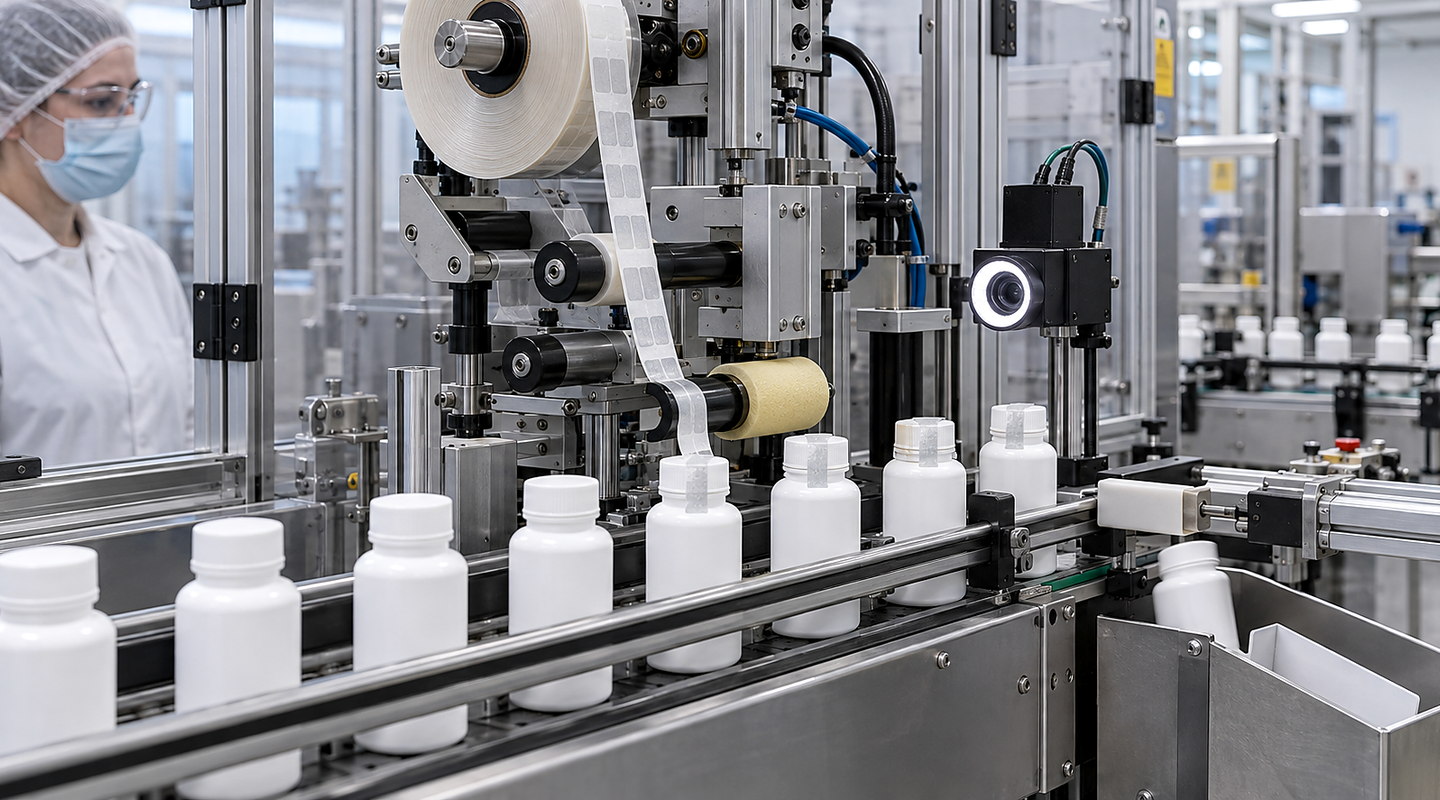
Plan tapered bottle labelling around the actual bottle, label shape, material and intended coverage. Trial application, container orientation and pressing together, then assess position, wrinkles, finished appearance and changeover across the bottle range.
Speak directly with Lancing about labelling tapered bottles and containers.
Provide the actual bottle and label artwork, including the intended label coverage around the taper. Trial the proposed label shape, material and application method together. Agree acceptable position and appearance, then assess container orientation, pressing and changeover across the bottle range before approving the setup.
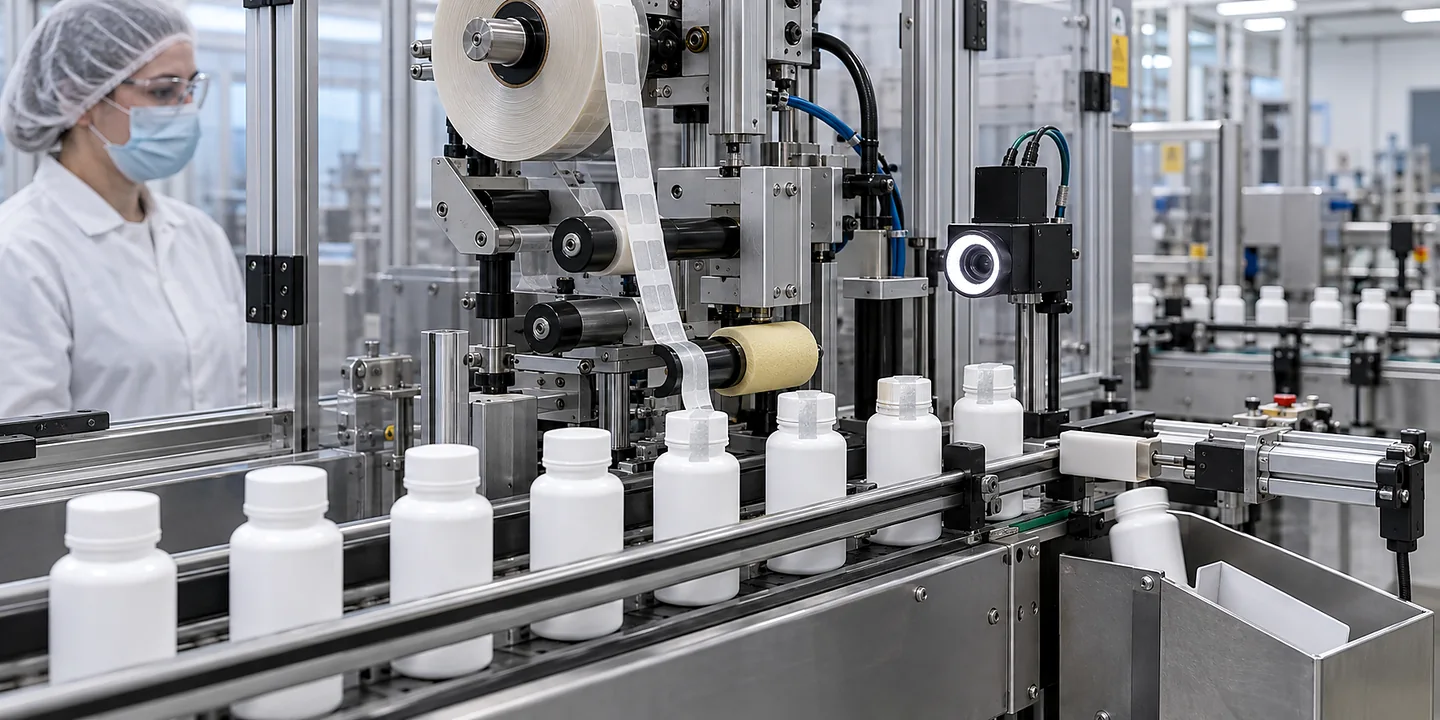
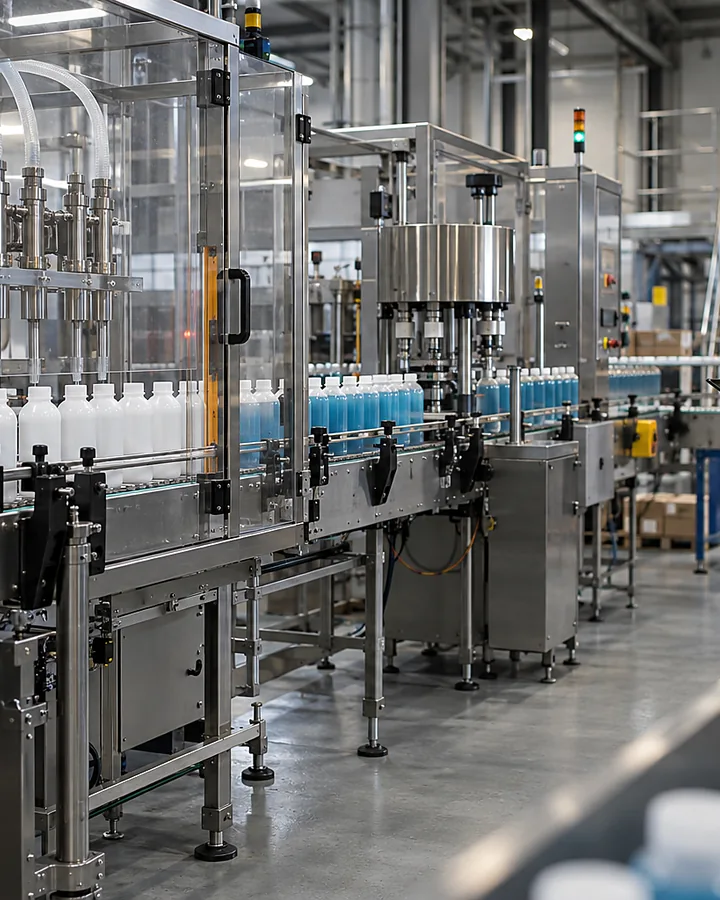

For routine production using labelling tapered bottles and containers, share the normal condition, realistic range and difficult cases the finished system must handle.
Provide the actual bottle and label artwork, including the intended label coverage around the taper.
Supply representative bottles and labels across the format range so orientation, pressing and changeover can be assessed.
Define acceptable coverage, position and appearance. Trial the proposed label shape, material and application method together.
State required output and format changes so trials reflect the bottle range and your production pattern.
Describe cleaning and operator-access needs. Include container orientation and pressing settings when assessing format changeover.
Check wrinkles, position and finished appearance against agreed limits. Define how out-of-limit bottles will be identified and handled.
Compare bottle taper, label shape, material and coverage, then assess orientation, pressing and changeover across your bottle range.
You can review decisions about cleaning, access and changeover method and finished-pack checks and reject handling at each stage.
Supply actual bottles and label artwork, including intended coverage around the taper and the full bottle and label range.
Trial the proposed label shape, material and application method together on representative bottles to check label coverage, position and appearance.
Connect the equipment to your line, services and controls while resolving required output and production pattern for day-to-day operation.
Confirm cleaning, access and changeover method, then complete and record finished-pack checks and reject handling before your operating team takes over.
Your final solution for labelling tapered bottles and containers must reflect the law, current standards and site-specific risks that apply to your installation.